Cyclists have a hydration advantage runners can only dream about: you're not carrying the weight, the bike is. So why do so many riders still bonk on hot afternoons with half-full bottles rattling in their cages? Usually it's a setup problem, not a discipline problem.
Start with the cages
Two bottle cages on the frame is the standard, and for good reason. On a two-hour ride in summer heat you can easily go through a liter and a half. One bottle rarely cuts it. If your frame only has mounts for one, an adapter clamp or a saddle-mounted cage buys you a second.
Reach matters too. You should be able to grab a bottle, drink, and re-seat it without looking down. Practice it on quiet roads first. Fumbling for your bottle in a fast group is how people end up in the ditch.
Cold water on a hot climb
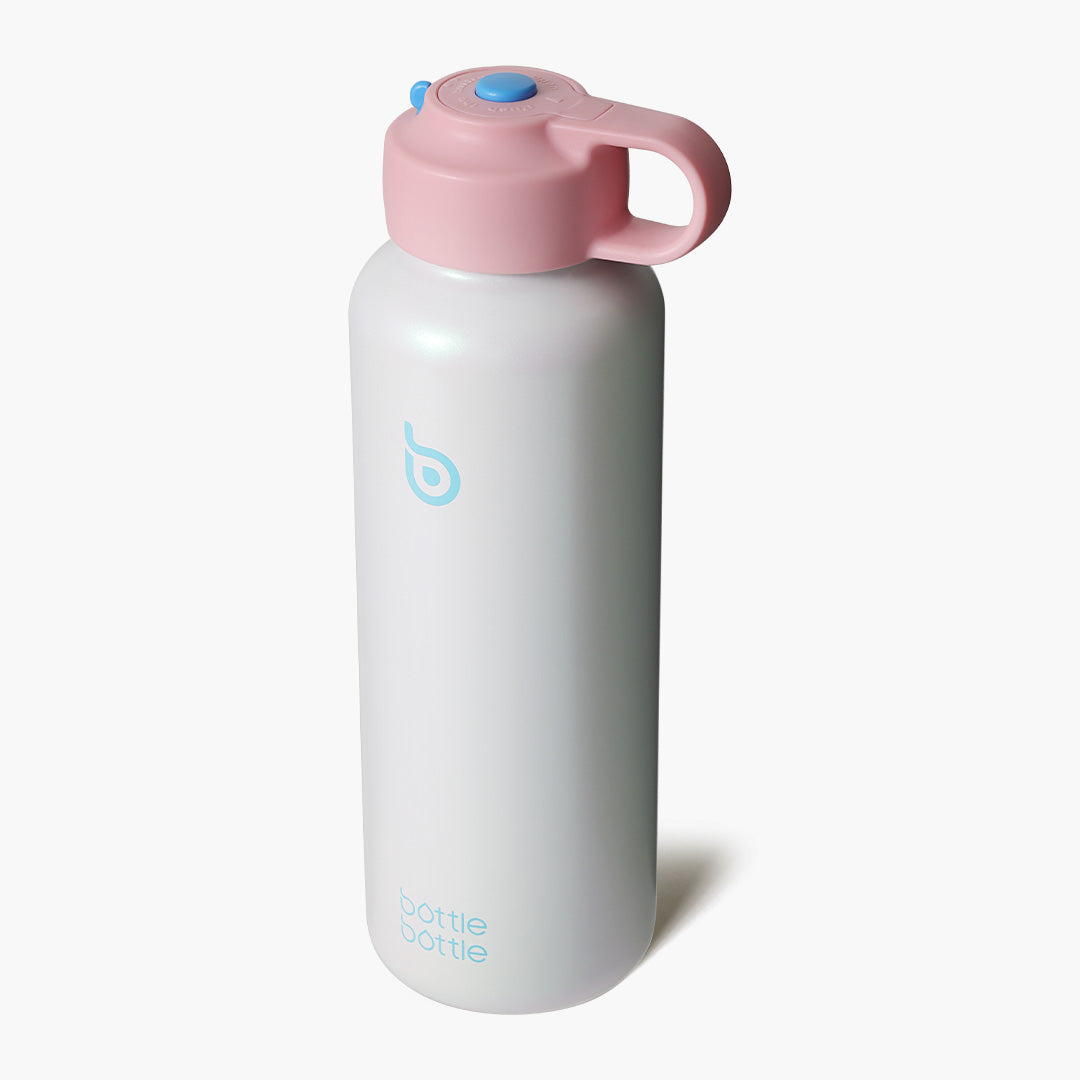
Here's where an insulated bottle earns its place. A standard squeeze bottle turns your water into warm bathwater within an hour under the sun. Nobody wants to drink that, so you drink less, and then you're in trouble. A double-wall insulated bottle keeps things cold for hours. On a brutal climb, that first hit of genuinely cold water is half motivation, half medicine.
Fill one with ice water before you leave. By the time you crack it open at the top of the climb, it's still cool. That small thing changes how much you actually drink.
What goes in the bottles?
A common split for longer rides:
- One bottle plain water, for rinsing your mouth, splashing your neck, or just a clean drink.
- One bottle with electrolytes or a carb mix, sipped steadily for fuel and salt.
Rides past 90 minutes need more than water. You're sweating out sodium, and gulping plain water alone can leave you cramping and lightheaded. Match your intake to the effort and the heat.
How often should you drink on the bike?
Set a loose target of one bottle per hour in mild weather, more when it's hot. A trick that works: drink every time you finish a climb or hit a flat stretch where you can ride one-handed safely. Tie it to the terrain and you'll never forget.
Group riders have it easy here. Someone always reaches for a bottle, and the whole pack follows. If you ride solo, a cheap habit is to sip at every road sign or every song change on your headphones.
Cleaning is the part everyone skips
Sugary drink mix plus a warm bottle equals a science experiment by the weekend. Nozzles get gross fast. Stainless bottles with a wide mouth are far easier to scrub than narrow plastic ones, and they don't hold onto that sour smell that ruins your next ride. Pull the nozzle apart, rinse after every ride, and deep-clean weekly.
The commuter angle
Not every ride is training. If you commute by bike, a single insulated bottle still beats a plastic one you refill at the office tap. Cold water waiting for you at your desk after a sweaty ride in? Worth it. And you're not tossing another disposable bottle in the bin.
Dial in the cages, keep the water cold, split your bottles smartly, and drink on a schedule you don't have to think about. Do that and the back half of your rides will feel a whole lot stronger than the guesswork version ever did.