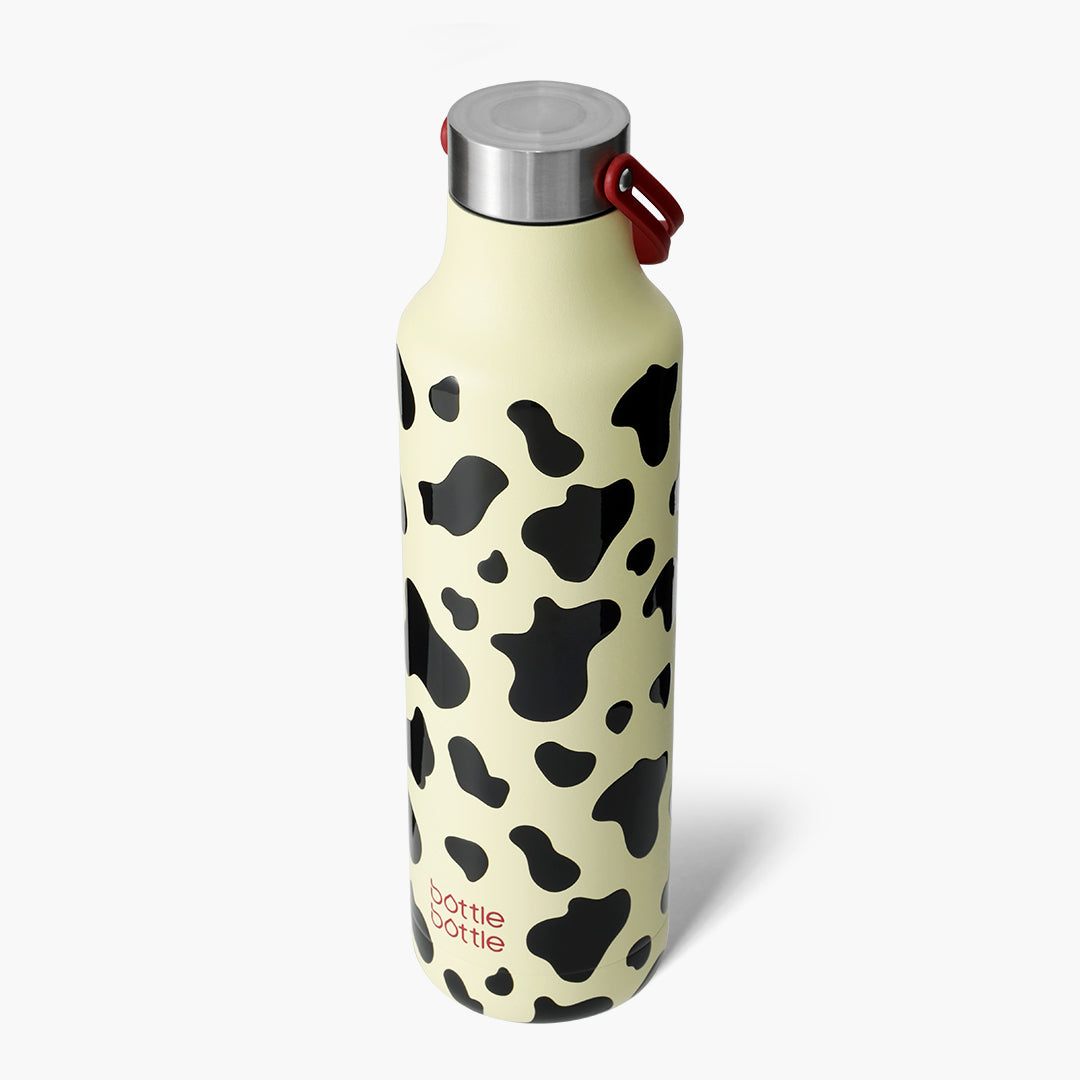
The trail doesn't have a water fountain. That single fact changes everything about how you plan a hike. Run dry three miles from the trailhead in the afternoon heat and you've got a genuinely bad day ahead, not just a thirsty one.
How much water do you need?
A rough rule most hikers use: about half a liter per hour of moderate hiking in mild weather. Crank up the heat, the elevation gain, or the pack weight and that climbs fast, toward a liter an hour on a hard, hot climb. For a four-hour loop on a warm day, two to three liters isn't overkill. It's the plan.
People chronically underpack water because it's heavy. A liter weighs a kilo. But there's no lighter way to carry it than to just carry it, and dehydration on trail is no joke.
Bottle, reservoir, or both?
Both, honestly, and here's why:
- Insulated bottle: keeps water cold for hours, which is a huge morale boost at a hot summit. Easy to see how much you've got left. Doubles as your "drink at breaks" water.
- Hydration reservoir with a hose: lets you sip while moving without stopping, so you drink more consistently.
The downside of a reservoir is you can't see the level, so you don't notice you're running low until the hose sucks air. Carrying one insulated bottle alongside your reservoir gives you a visible backup and something that stays cold. On cold-weather hikes, a hose can freeze, and a bottle just doesn't.
Cold water at the summit hits different
Anyone who's reached a peak and pulled out warm, plastic-tasting water knows the letdown. A vacuum-insulated stainless bottle packed with ice water in the morning will still be cold when you get there hours later. That cold drink at the top is one of the small, real rewards of the climb. Don't rob yourself of it.
When your day runs longer than planned
Hikes have a way of stretching. A wrong turn, a great view you linger at, a slower group. If you're heading somewhere remote, know where natural water sources are and carry a way to treat it, a filter or purification tablets. Refilling from a stream through a filter into a wide-mouth bottle is quick and easy. Never drink untreated backcountry water, no matter how clear it looks.
Signs you're behind
Watch for these and act before they get worse:
- Dark yellow urine (pale straw is the target)
- A dull headache creeping in
- Feeling unusually irritable or tired for the terrain
- Cramping in your legs
Notice any of these and stop, get in the shade, drink, and add electrolytes if the hike is long. Salt lost through sweat needs replacing on all-day efforts, or you'll drink and drink and still feel off.
Gear that survives the trail
Trails are hard on gear. You'll drop your bottle on rock, jam it into a tight side pocket, and scrape it against granite. Stainless steel takes that abuse and keeps going, where plastic cracks and flimsy lids pop off. A dented steel bottle still holds every drop. That reliability is worth a lot when the nearest replacement is a two-hour drive away.
Plan your water like you plan your route: know the distance, respect the heat, carry more than you think you need, and keep it cold enough that you'll actually drink it. The summit's a lot sweeter when you get there feeling strong.