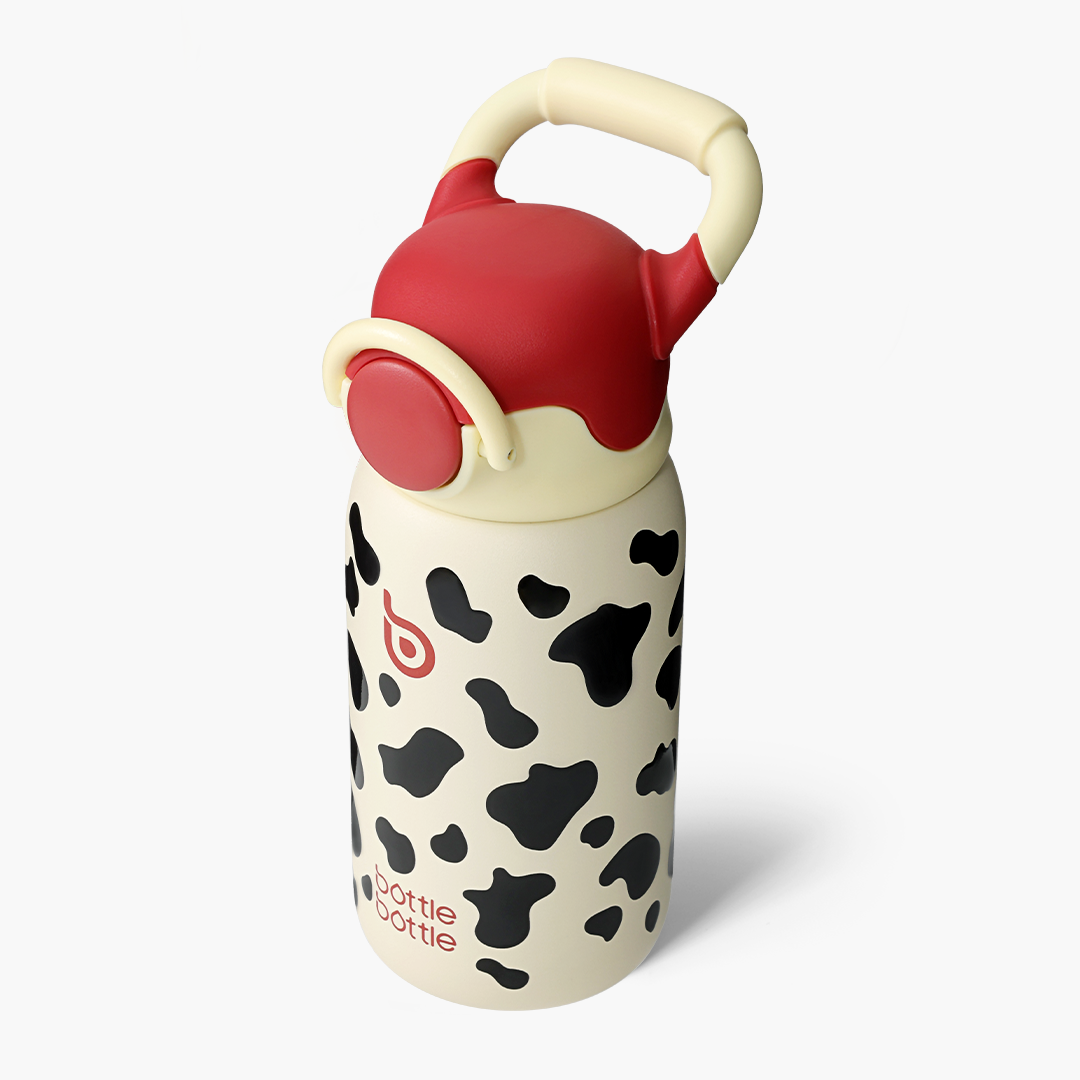
Airports, trains, long drives, packed subway cars. Travel and commuting are dehydration machines, and they're also where a good bottle earns its keep. That dry, headachey, wrung-out feeling after a flight? A lot of it is simple dehydration you could have prevented for the price of carrying your own water.
The flying problem
Cabin air is brutally dry, drier than most deserts, sitting around 10-20% humidity. Hours in that environment pull moisture out of you steadily. The tiny cups of water the cart brings around barely keep pace, and they only come every so often. By landing, you're often well behind.
Here's the move most people miss: bring an empty bottle through security, then fill it at a fountain or refill station past the checkpoint. You can't bring liquid through, but an empty bottle sails through fine. Now you've got a full bottle for the gate, the flight, and the other end, no paying airport prices for plastic.
Why insulation matters on the road
Travel means your bottle sits in hot cars, warm bags, and stuffy terminals for hours. A double-wall insulated bottle keeps water cold through all of it, so that drink at hour three of a road trip is still refreshing instead of tepid. On a long drive, cold water helps you stay alert far better than another warm gas-station bottle.
The same bottle flips in winter. Keep tea or hot water hot for hours on a cold commute or a chilly train platform. One bottle, both jobs.
What makes a bottle travel-friendly
Not every bottle survives being crammed into a bag next to your laptop. Look for:
- A truly leak-proof lid. This is non-negotiable. A bottle that dribbles onto your passport and laptop is worse than no bottle.
- A size that fits car cup holders and bag pockets, usually 500-750ml for daily travel.
- Durable stainless construction that shrugs off getting dropped on platforms and jammed into overhead bins.
- A shape you can drink from one-handed while driving or standing on a moving train.
Commuting: the daily version
Your daily commute is travel in miniature, and the same rules apply. A bottle you fill at home and sip on the way in means you arrive already hydrated instead of reaching for a vending-machine drink. On a packed train or bus, a leak-proof bottle you can stash upright in a bag pocket is worth its weight.
Bike or walk to work? Cold water waiting for you after a sweaty commute is a small daily reward. And you're skipping the disposable bottle you'd otherwise buy, which adds up over a year of commuting.
A simple travel hydration plan
Keep it easy:
- Start every travel day with a full glass before you leave.
- Carry the empty bottle through security, fill it past the checkpoint.
- Aim to finish and refill it across a flight or long drive.
- Match every coffee or alcoholic drink with water, they're dehydrating on top of the travel itself.
Travel already takes enough out of you. Don't let something as fixable as water be the thing that leaves you wrecked at the other end. Pack one solid insulated bottle that seals tight and keeps its temperature, build a couple of easy refill habits around it, and you'll step off the plane or the train feeling a whole lot more like yourself.