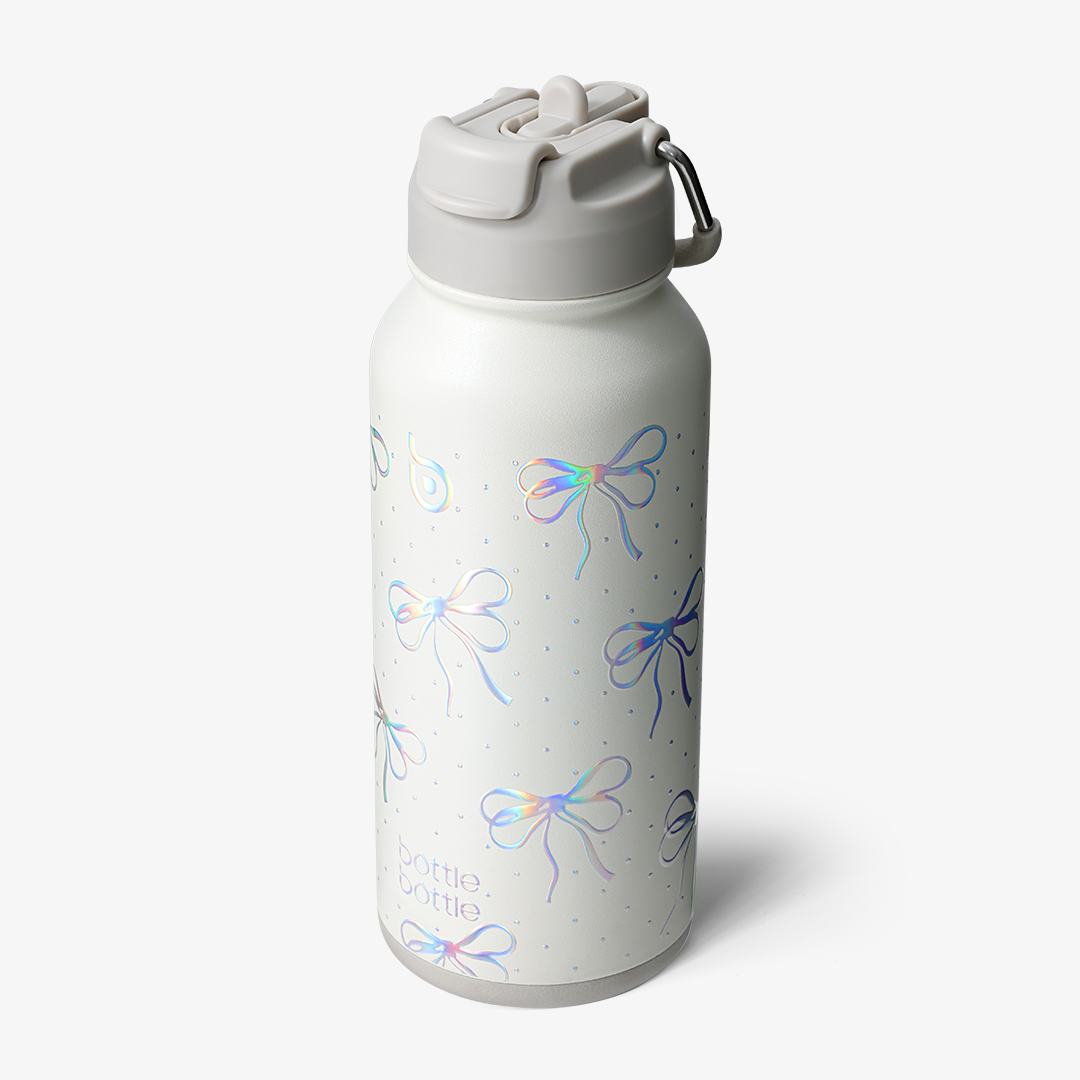
Set a can of soda on a wooden table on a humid day and come back to a ring of water and a warped finish. Set a proper vacuum bottle in the same spot and the table stays dry. That dry exterior isn't a coating or a gimmick, it's a direct side effect of how the insulation works, and it's one of the most underrated reasons to own one.
Where does the sweat even come from?
Here's the thing most people get wrong: the water on the outside of a cold container doesn't leak out from inside. It comes from the air. Warm air holds a surprising amount of invisible water vapor. When that air touches a cold surface, it cools down right at the contact point, and cold air can't hold as much moisture. The excess condenses into liquid droplets on the surface. That's condensation, the same physics as morning dew or a foggy bathroom mirror.
So a sweating bottle is really the room's humidity collecting on a cold wall. The colder the surface and the more humid the air, the more it sweats.
Why the vacuum stops it cold
On a single-wall metal bottle, the cold drink chills the outer wall directly, they're the same piece of steel. That cold exterior becomes a magnet for condensation. Drips everywhere.
A double-wall vacuum bottle breaks that chain. Your cold drink chills the inner wall, but the vacuum gap stops that cold from reaching the outer wall. The outside stays close to room temperature, warm enough that the surrounding air never cools to its dew point against it. No cold surface, no condensation, no puddle. The same feature that keeps your ice frozen keeps your table dry.
So why is my "insulated" bottle still sweating?
A few possibilities, and they're worth diagnosing:
- It's single wall, not vacuum insulated. Plenty of plain steel bottles get marketed as "insulated" loosely. If it sweats, it isn't a true vacuum bottle.
- The vacuum has failed. If a bottle that used to stay dry suddenly starts sweating, it probably took a bad drop and lost its seal. That's also why it stopped keeping drinks cold.
- Condensation on the lid. Even a good bottle can get a little moisture around a plastic lid or spout, especially with ice-cold drinks, because plastic insulates less than the vacuum wall. That's normal and minor.
Does the color or finish change anything?
The exterior paint or powder coat doesn't affect condensation much, that's all about the vacuum underneath. What a matte powder coat does help with is grip and hiding fingerprints, and it makes the bottle less slippery with wet hands. A bare polished-steel bottle can get slick when your hands are damp. That's a comfort and safety point, not a sweat one.
Why this actually matters day to day
A sweat-free bottle sounds like a small perk until you list where it helps:
- On a desk over a laptop, keyboard, or paperwork, no water damage risk
- In a bag or backpack next to a book or phone, nothing gets soaked
- In a cup holder, no slippery grab-and-fumble at a stoplight
- On nice furniture, no white rings on the wood
Anyone who's fished a dripping bottle out of a gym bag and found a damp towel and soggy snacks knows the value here.
The one exception to watch
Take a bottle from a warm room into extreme humidity, or fill it with something colder than ice water, and even a good vacuum bottle can pick up a light film of moisture, because the outer wall can dip slightly below the dew point in punishing conditions. It'll be a faint dampness, not the running drips of a soda can. For everyday use in a normal home or office, a healthy vacuum bottle stays dry.
A two-minute way to test it
You don't need a thermometer to check whether a bottle is genuinely vacuum insulated. Fill it with ice water, cap it, and hold it for a minute. The outside should feel close to room temperature and stay dry. If the exterior turns cold and beads up within a few minutes, the vacuum is either missing or failed. Try it with hot water too: a real vacuum wall stays comfortable to grip even with near-boiling water inside, while a single-wall bottle gets too hot to hold. It tells you more than any spec sheet.
If dryness is a big deal for you, a desk worker especially, a true double-wall vacuum bottle is the fix, full stop. And if yours has started sweating out of nowhere, don't reach for a coaster, check whether the vacuum's gone, because that puddle is usually the first sign the insulation is done.